Assembly and hand spot check
Components are placed automatically, then the assembly is spot-checked by hand — mainboard, case, panel and finish are all part of the check.
Factory
What stands behind the FUQ line: the production floor, the test benches, the routine every unit goes through before it is packed, what can be built to your market, and how to come and see it for yourself.
If you are qualifying a supplier rather than choosing a model, this page andthe company facts on the about pageare the two documents to read together: the numbers here are the ones we will put in writing with your quotation.
Hanxing builds cable TV and IPTV headend equipment in Guangzhou, China, on its own 15,893 m² production site, manufacturing headend and transmission equipment since 1994. Units are assembled, aligned and burn-in tested in house, then packed on site. Equipment has shipped to customers in more than 200 countries.
The short version, in the form it is useful in — for a supplier record, a purchase order or a due-diligence file. Everything below is stated in our own documentation; terms that are agreed per order are marked as such.
| Founded | 1994 — headend and transmission equipment built here since then. |
|---|---|
| Production site | Our own 15,893 m² facility in Guangzhou, Guangdong: assembly, RF test benches and the burn-in bay under one roof. |
| Business type | Manufacturer with its own factory and in-house R&D — not a trading company and not a re-badger. |
| Developed in house | More than 100 products since 1994. |
| Published catalogue | 190 models across 9 product lines, every one with the datasheet we issue for it. |
| Pre-dispatch routine | Assembly spot check → core component review against the datasheet → 72-hour test by RF technicians → packing check. |
| Export record | Equipment and complete solutions shipped to customers in more than 200 countries and regions, across five continents. |
| Site address | Hanxing Office, Room 310G, Huilange BLDG, No. 273, Huangpu Blvd W, Tianhe District, Guangzhou 510620, Guangdong, China |
| Sales contact | sales@cableiptvheadend.com · +86 139 2270 2227 (phone and WhatsApp) |
| Working hours | 09:00–18:00 China time (GMT+8) |
Nine product lines, 190 published models. Each line is a stage of the same signal chain — the model pages carry the datasheet for the individual unit.
| Product line | Models | What it does in the chain |
|---|---|---|
| Modulator / Modem | 45 | Puts an already encoded transport stream onto an RF carrier — DVB-T, DVB-C, QAM, ATSC or ISDB-T. |
| Encoder | 28 | Turns baseband video and audio (HDMI, SDI, CVBS) into MPEG transport streams the IP network can carry. |
| Encoder Modulator | 26 | Encodes and modulates in one chassis, for coax networks that need no separate IP stage. |
| IRD / Decoder / Transcoder | 21 | Receives a satellite or terrestrial feed and hands it on as baseband video or as a re-muxed stream. |
| Other Devices | 21 | The devices that hold a headend together: capture cards, TS analysers, ASI distributors and switches. |
| IP Gateway | 20 | Converts between the IP side of a headend and its ASI or RF legs: tuner to multicast, ASI to IP and back. |
| Multiplexer / Scrambler | 15 | Merges single-programme streams into an MPTS, re-maps PIDs and regenerates PSI/SI tables. |
| Transmitter / Receiver | 10 | The transmission stage: DVB-T exciters and amplifiers, and FM stereo transmitters. |
| Software & Systems | 4 | EPG generation, IPTV server and middleware, and subscriber management that run alongside the hardware. |
Browse the whole line in theproduct catalogue, or read how the stages are wired together in the headend solutions.
Five stages, in order — the same routine whether the unit is a single chassis or a rack that fills a small headend.
Components are placed automatically, then the assembly is spot-checked by hand — mainboard, case, panel and finish are all part of the check.
The core components are checked and re-checked against the datasheet for omissions and errors before a unit is allowed to move on.
The RF stages are aligned and measured on our own benches, so the figures published on the model page describe the unit that is standing on the bench.
RF technicians run each unit for 72 hours. The point is to catch the fault that only appears after a day of running, not the one that appears on the bench.
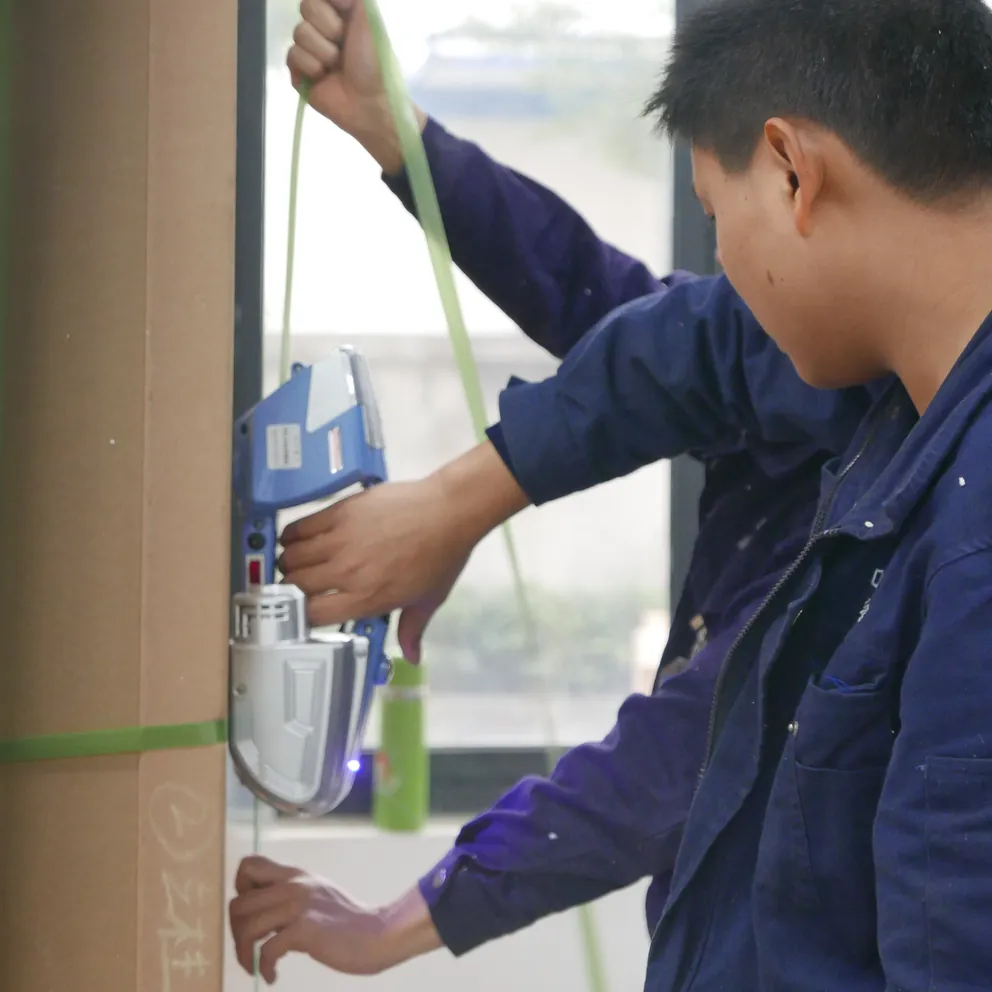
Units are packed for transport, the quantities and the buyer’s address are checked, and the fastest available collection is booked.
A headend unit fails on site, not on the bench — so the test that matters is the one that runs long enough for a marginal part to show itself. That is what the burn-in bay is for, and it is the last stop before packing.
What we cannot state here, we do not state: parameters are taken from the datasheet issued for the model. If a detail is not in the documentation, ask and we will confirm it on the production line rather than guess.
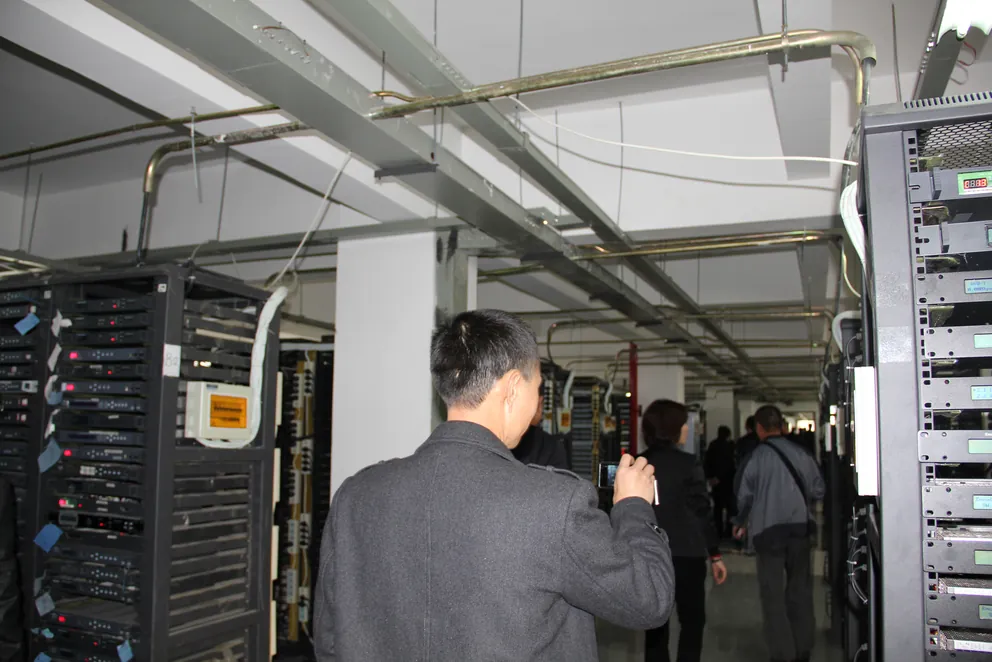
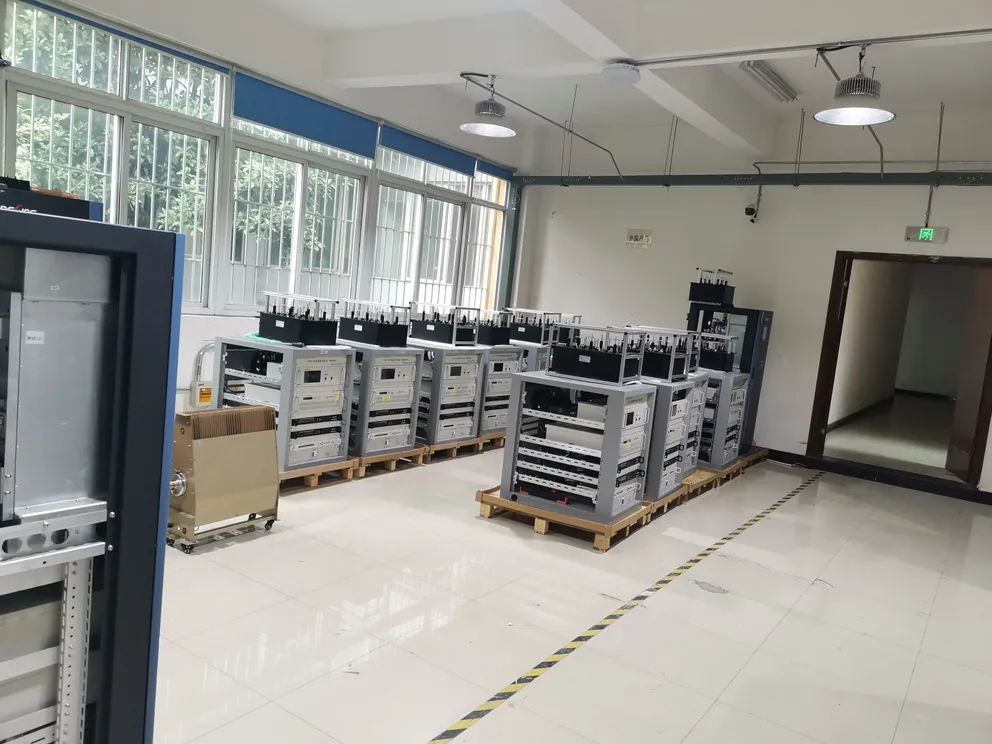
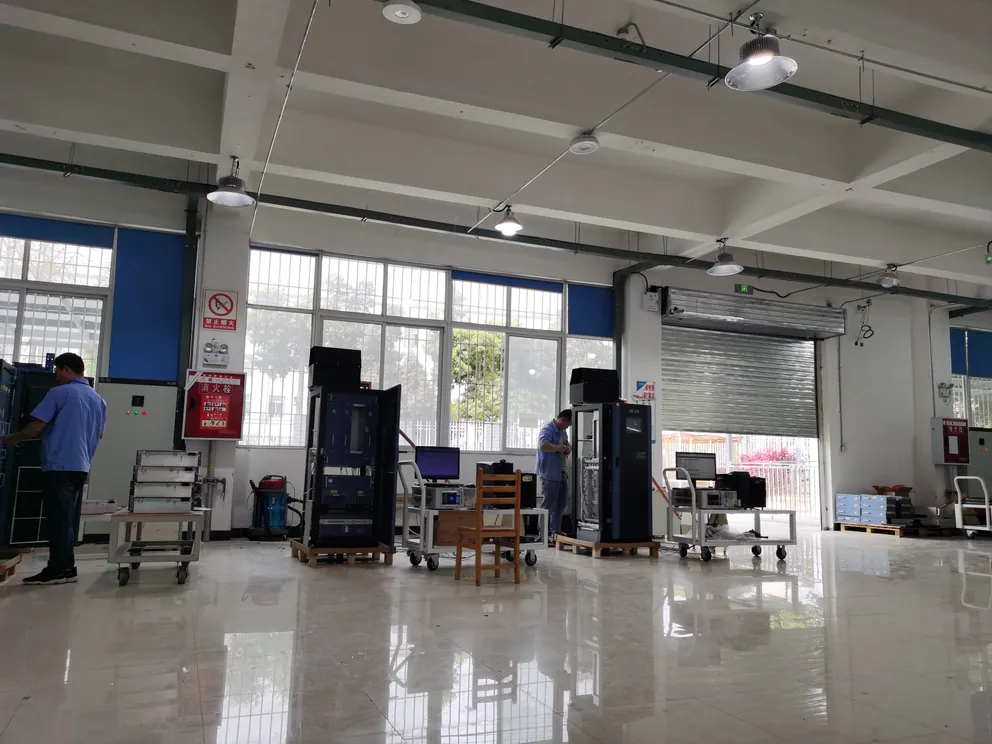
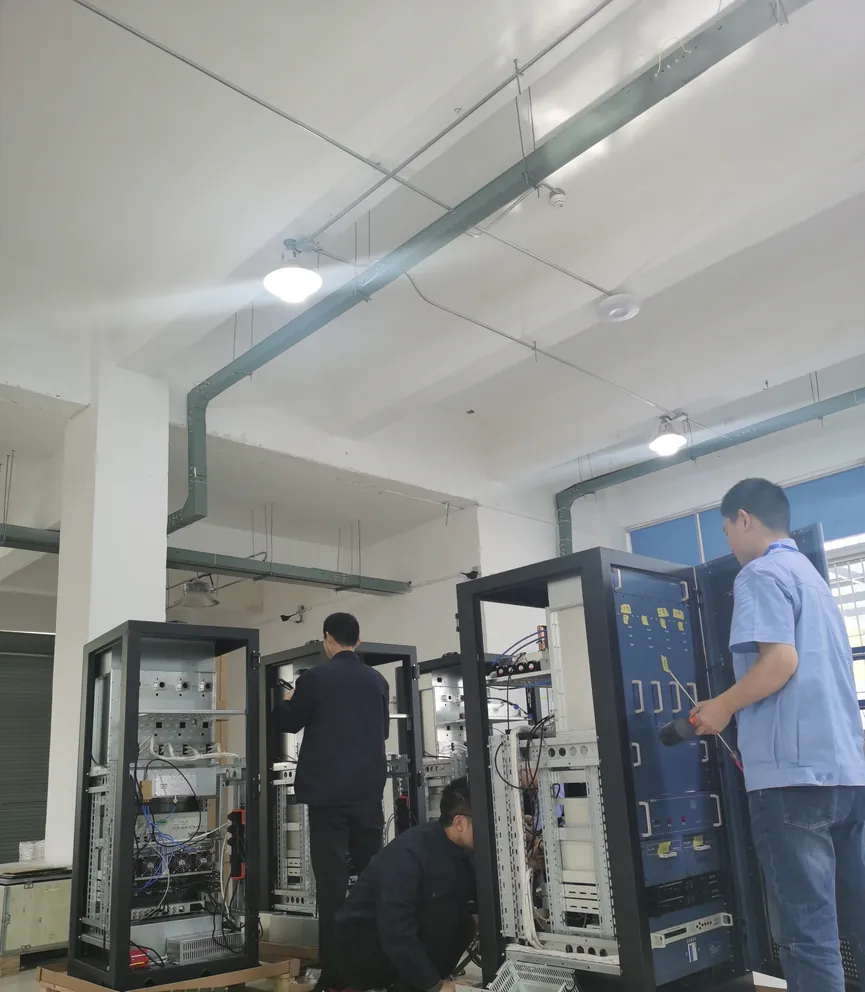
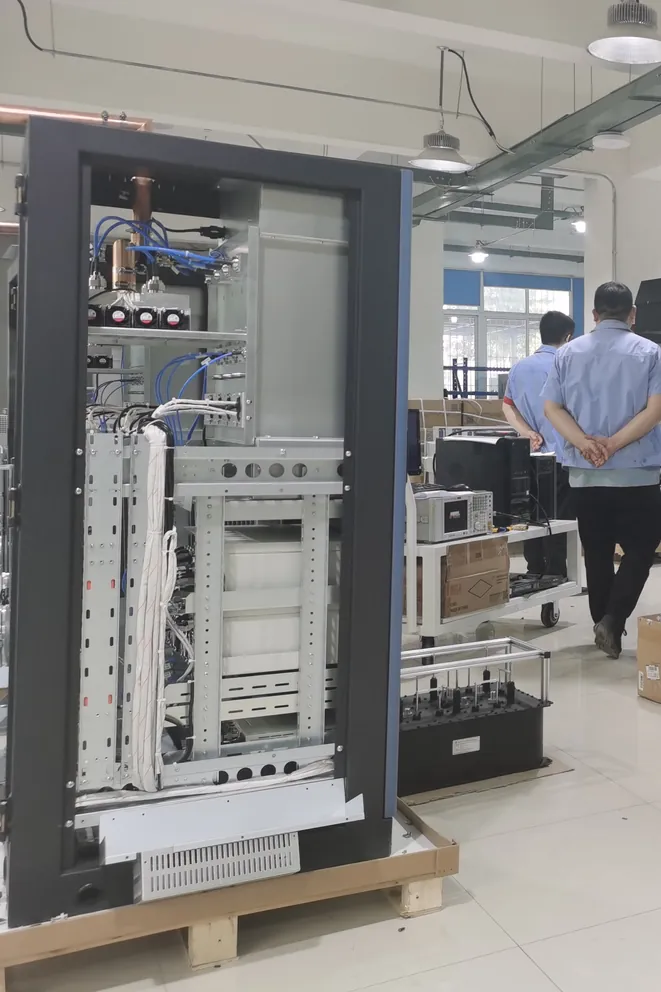
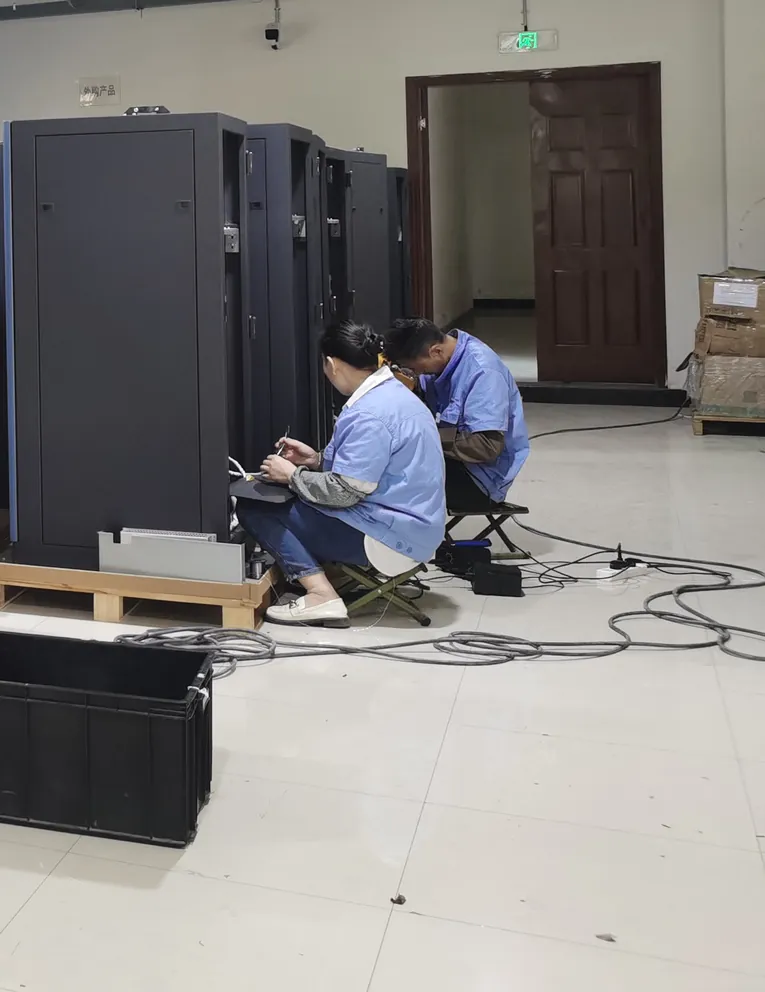
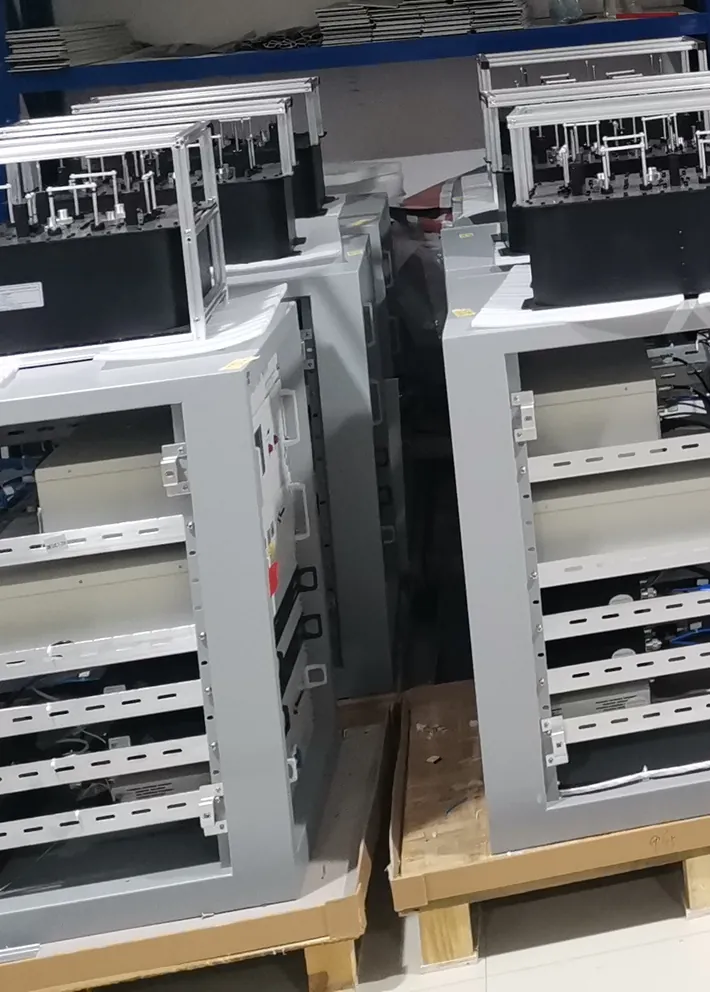
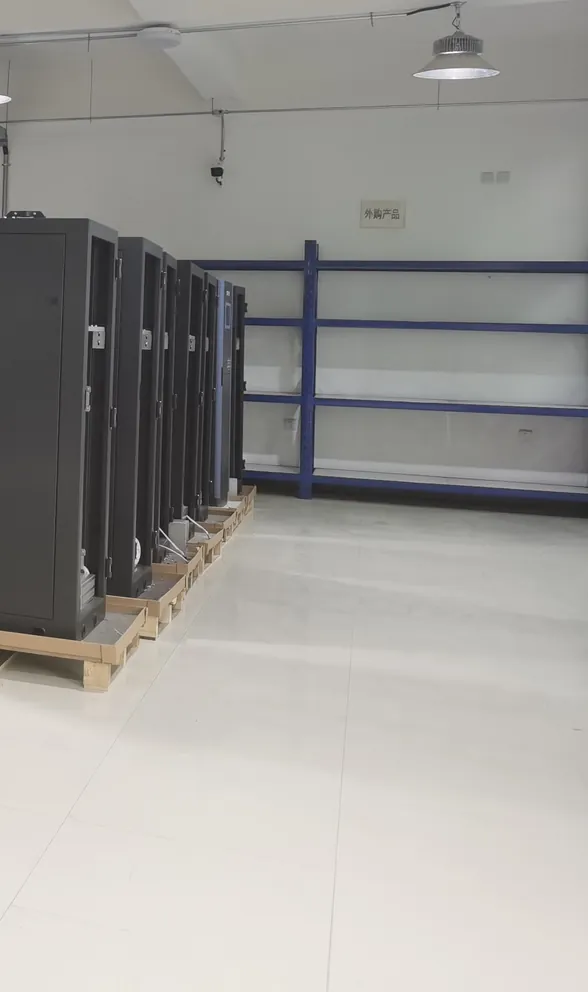
Photographs taken on the floor rather than staged: built units waiting their turn on the test benches, the assembly and test hall itself, cabinet build-up open on the bench, a unit being strapped at the packing station, wiring dressed inside an open cabinet, subrack assemblies going together on pallets, and finished cabinets staged on the aisle. The aisles, benches and racks in them are the ones a visiting buyer walks through.
The line is not sold in one configuration only. These are the things buyers change most often, and where each one is documented.
| Standard | Models | Typical use |
|---|---|---|
| DVB-T / DVB-T2 | 19 | Terrestrial digital TV, from single channels to transmitter drive. |
| DVB-C | 28 | Cable networks — QAM output on coax. |
| DVB-S / DVB-S2 | 18 | Satellite reception, IRDs and satellite turn-around. |
| ISDB-T | 6 | The Japanese / South American terrestrial standard. |
| ATSC | 8 | The North American terrestrial standard. |
| QAM / J.83 | 46 | Cable modulation, the densest part of the modulator line. |
Yes — visits are by appointment, and they are the fastest way to judge a supplier of this kind of equipment.
Send a visit request or write tosales@cableiptvheadend.com.
The questions buyers ask before they audit a supplier, answered without the brochure talk.
We answer with the datasheet, the configuration and a written quotation — factory direct, from the site this page describes.
Talk to the factory before you specify
Send the model number — or the channel count and the input/output formats — and we answer with the datasheet, the configuration and a written quotation.