Product catalogue · Modulator / Modem
DVB-T, DVB-C/QAM, ATSC and ISDB-T Modulators
A modulator takes an already encoded transport stream — over IP, ASI or from its own tuner inputs — and places it on an RF carrier. This is the widest line in the catalogue: DVB-T, DVB-C/QAM, ATSC, ISDB-T and DVB-S/S2 outputs, from single-carrier units to chassis that generate dozens of carriers at once.
Hanxing builds 45 modulator / modem models. A modulator maps a transport stream onto one RF carrier (or a block of carriers) in a broadcast standard, so ordinary TVs can receive it on a coax network. It sits between the mux and the coax: the stream arrives over IP or ASI, the output leaves as DVB-T, QAM, ATSC, ISDB-T or DVB-S/S2.
- Models
- 45
- Datasheets
- 45
- Deployments cited
- 5
What does a modulator do in a cable or DTT headend?
A modulator maps a transport stream onto one RF carrier (or a block of carriers) in a broadcast standard, so ordinary TVs can receive it on a coax network. It sits between the mux and the coax: the stream arrives over IP or ASI, the output leaves as DVB-T, QAM, ATSC, ISDB-T or DVB-S/S2.
How do I choose between a modulator, an encoder-modulator and a transmitter?
Use a modulator when the channels already exist as a transport stream over IP or ASI and only need placing on RF carriers. Use an encoder-modulator when the source is baseband HDMI or SDI. Use a transmitter when that RF has to cover an area — the transmitter is the amplifier stage, the modulator is the channel generator.
Where are these modulators deployed?
These are the deployment fields the range’s model datasheets state, counted across the line. Read the list as the applications this equipment is actually specified for: cable and hotel coax networks, regional DTT line-ups and headends that re-map IP or satellite feeds onto RF carriers.
- Broadcasting1
- Broadcasting headends1
- Cable TV systems and IP-based content distribution networks1
- Interactive services and news gathering1
- Next-generation DTV broadcasting systems and cable headends1
Where this range sits in a system
Each link opens the turnkey chain on our system solutions page that this range feeds into — model, role and the parameters published for it.
How does the modulator / modem line differ from the neighbouring lines?
Each row below is the application copy already published for that product line on this site. Read the row that matches the signal you have in hand, then open the line it points to.
| Product line | What it is specified for |
|---|---|
| Modulator / Modem (this page) | Channel generation for DVB-T/C, ISDB-T, ATSC or QAM networks — local TV distribution, hospitality TV, and re-multiplexed regional line-ups. |
| Encoder Modulator | Headends that feed a coax RF network directly from HDMI or SDI sources — hotels, hospitals, campuses and small cable systems. |
| Transmitter / Receiver | Terrestrial and FM transmission — DVB-T coverage for regional networks and FM stereo broadcast from 10 W to 10 kW. |
| Multiplexer / Scrambler | Building the MPTS/SPTS line-up and CAS/EPG handling — transport-stream muxing, scrambling and EIT processing. |
Models in the Modulator / Modem range
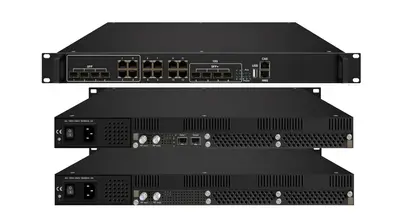
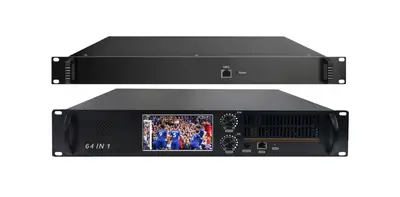
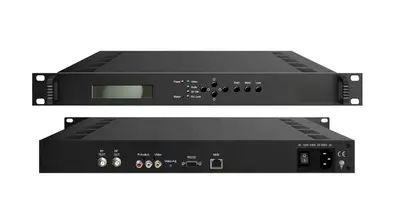
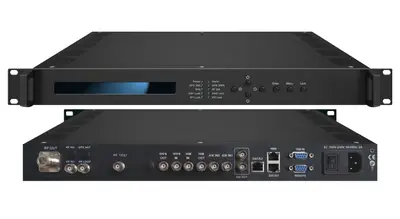
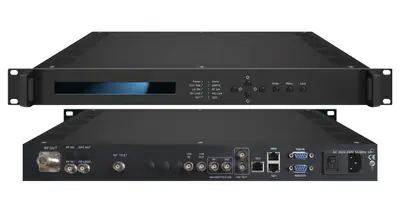
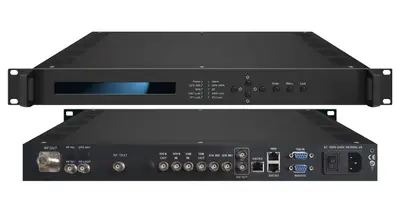
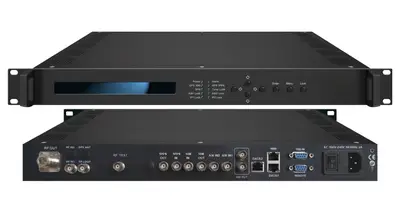
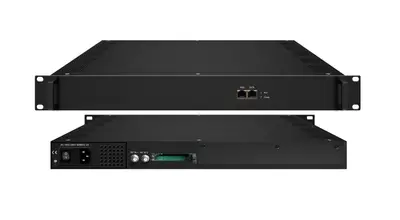
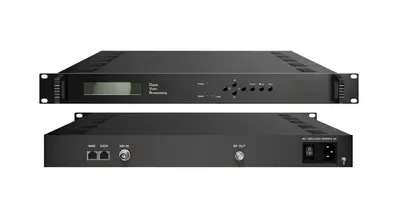
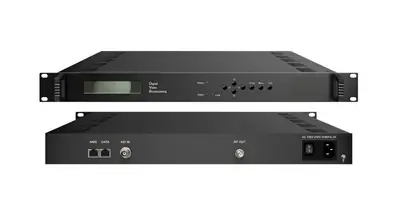
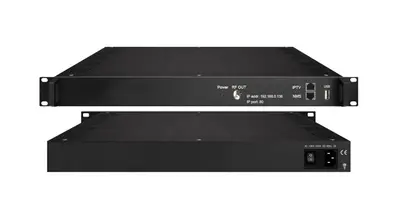
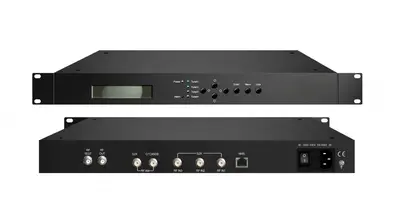
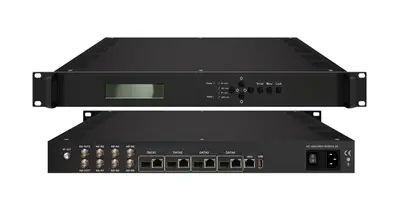
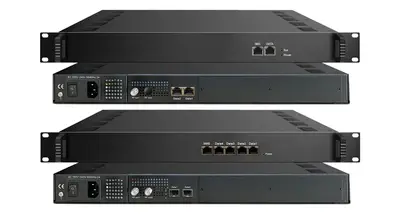
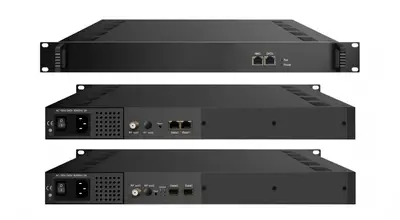
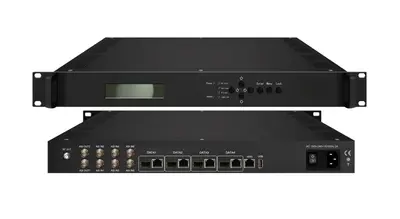
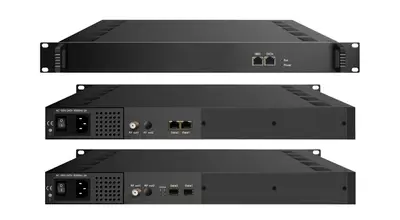
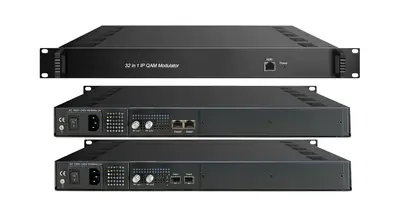
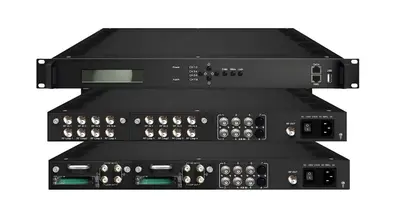
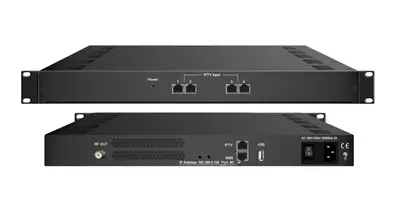
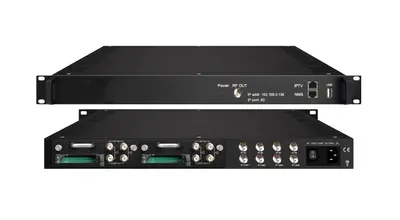
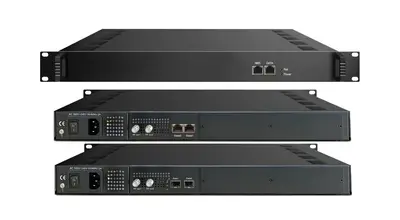
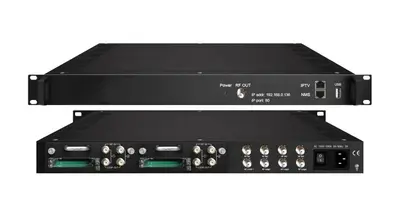
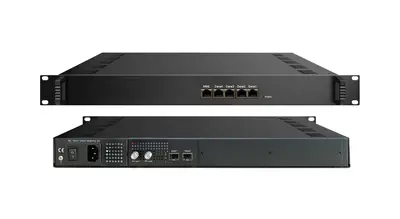
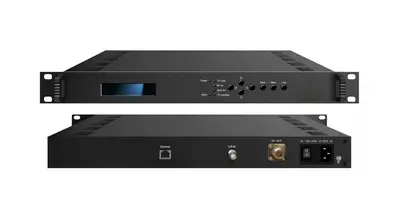
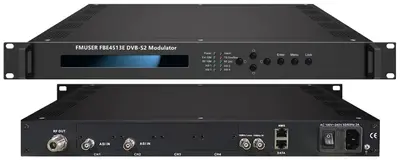
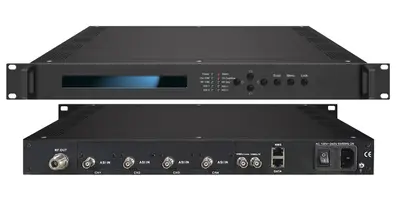
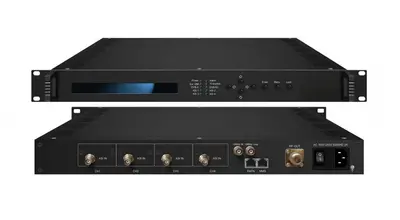
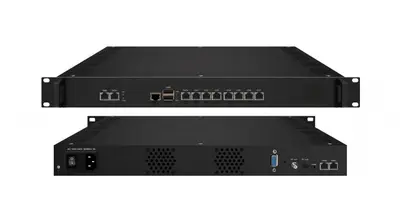
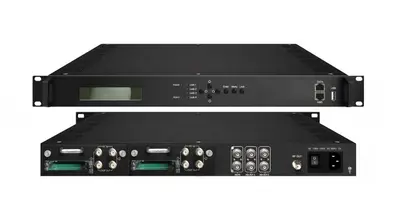
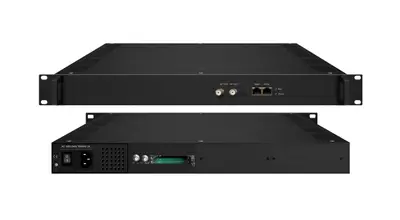
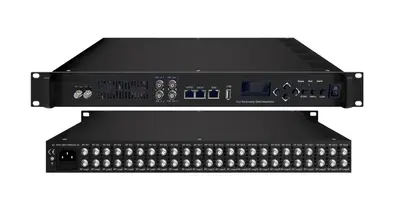
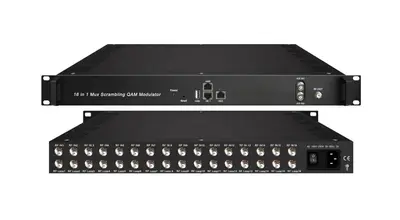
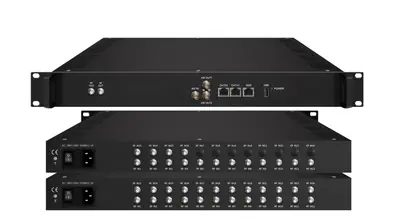
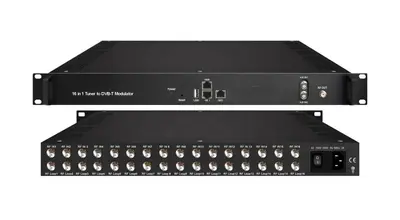
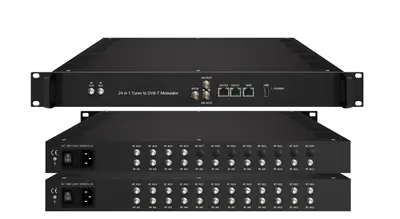
All 45 models of this line, with the specifications each model page publishes from its own datasheet. Every model name links to its page, where the full table, the datasheet (Word) and the range comparison sit.
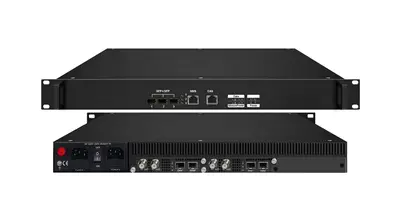
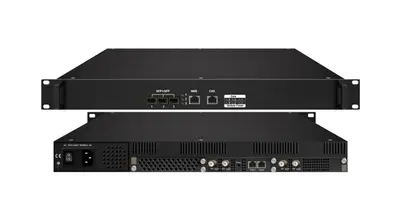
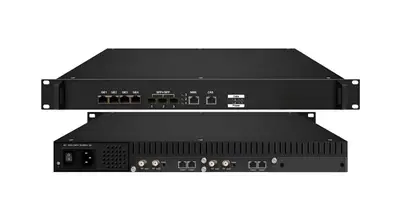
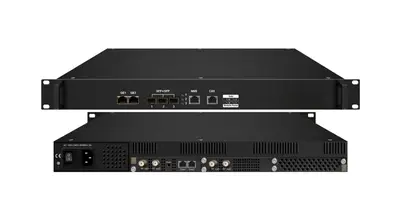
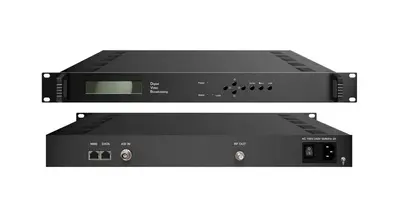
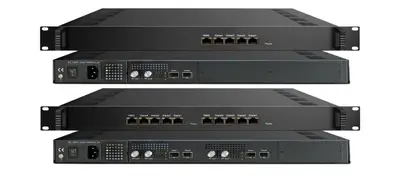
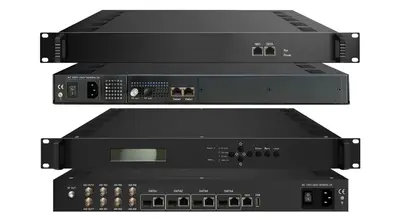
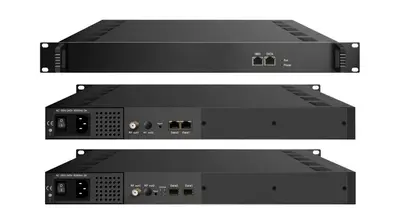
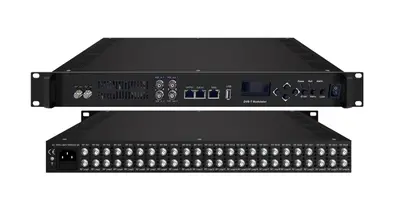
What does this range publish across all its models?
Modulation standards and constellations published across this range
The values below are the rows published on this range's own model pages, deduplicated. The count next to each value is the number of models in the line that publish it, so you can see where the range is concentrated before you open a single model page.
| Published value | Models publishing it |
|---|---|
| RS (204, 188) | 9 |
| EN300 429/ITU-T J.83A/B/C | 6 |
| QPSK, 16QAM, 64QAM | 4 |
| ARIB STD-B31 | 3 |
| 16, 32, 64, 128, 256QAM | 2 |
| 8VSB | 2 |
| ATSC A/53 | 2 |
| Constellation :16/ 32/64/128/256Q AM | 2 |
Modulator / Modem — buyer questions
What is a modulator used for in a DVB-T, DVB-C or QAM network?
Channel generation for DVB-T/C, ISDB-T, ATSC or QAM networks — local TV distribution, hospitality TV, and re-multiplexed regional line-ups.
Which standards and constellations does this modulator range cover?
The catalogue lists 45 Modulator / Modem models, and 45 of them carry a Word datasheet on this site. Modulation standards and constellations published across this range: RS (204, 188) (9); EN300 429/ITU-T J.83A/B/C (6); QPSK, 16QAM, 64QAM (4); ARIB STD-B31 (3); 16, 32, 64, 128, 256QAM (2); 8VSB (2); ATSC A/53 (2); Constellation :16/ 32/64/128/256Q AM (2) — the figures in brackets are the number of model pages in this range that publish that value. If a parameter you need is not published on the model page, ask us and we send it with the datasheet instead of estimating it.
What input counts, power supply and rack size do these modulators have?
It is specified per model rather than per line. The datasheets published on this range's model pages state a power or consumption row for 26 of the 45 models (for example FUQ200A — General: Power Supply: AC 100V±10%, 50/60Hz; or AC 220V±10%, 50/60Hz Redundancy power supply (…); a chassis dimension row for 27 of them (for example FUQ200B — General: Dimension: 420mm×440mm ×44.5mm (WxLxH)); a weight row for 10 (for example FUQ3516R: 4.9kg). Tell us the model you have shortlisted and we send the datasheet with the drawing, so power, rack space and connectors are confirmed before you order.
What is the lead time, and how do I get a price?
Quotations are factory-direct. Send the model number, or the channel count with the input and output formats you need, and we answer with the datasheet, the configuration and a written quotation. Lead time depends on the model and the position in our production schedule and is confirmed in the quotation, together with the air or sea freight options.
Get a quotation for the Modulator / Modem line
Send the model number from the table above, or the channel count with the input and output formats you need. We come back with the datasheet, the configuration and factory-direct pricing — by email, phone or WhatsApp, whichever you prefer.
Prefer to reach us directly? The WhatsApp, phone and email links are at the foot of this page.