How to Choose a Broadcast Antenna: FM, VHF & UHF
Dipole, panel, slot, yagi or curtain? A field guide to broadcast antennas: frequency bands, gain, polarization and matching an antenna to a transmitter. Each model named in this article is one of 190 in the Hanxing catalogue, published with its own specifications and datasheet.
Hanxing Team
Broadcast & IPTV Experts
The Antenna Is Half Your Station
A perfect transmitter feeding the wrong antenna delivers a fraction of its potential coverage. Antenna choice determines where your signal goes and how well it gets there.
First: Know Your Band
| Band | Frequency | Typical use |
|---|---|---|
| LF/MF (AM) | 530–1700 kHz | AM broadcast (tall towers) |
| HF/SW (shortwave) | 3–30 MHz | International broadcast |
| FM (VHF) | 87–108 MHz | FM radio |
| VHF TV | 167–223 MHz (Band III) | TV broadcast |
| UHF TV | 470–862 MHz | TV broadcast, DVB-T |

Antenna Types by Use Case
FM Broadcast Antennas
- Single dipole — simple, low power, omnidirectional-ish
- Multi-bay dipole (2/4/6/8 bay) — higher gain, stacked vertically for more coverage
- Panel antenna — flat panel with high gain, directional patterns
- Circular polarized — better for FM reception in vehicles
Rule of thumb: every time you double the number of bays, you roughly add 3 dB gain (≈40% more effective radiated power).
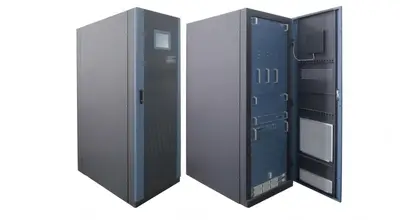
For a new FM service the transmitter that feeds the antenna is specified first: the FUQ-72XX Series FM stereo broadcast transmitter adjusts from 10 W to 10 kW, and the 1x RF output FPGA digital variant is the single-output build of the same series.
VHF / UHF TV Antennas
- Panel antennas — common for TV stations; stackable for gain
- Slot antennas — omnidirectional pattern from a cylindrical radiator
- Yagi antennas — directional, high gain, used for STL links and reception
- Batwing (superturnstile) — classic TV broadcasting antenna
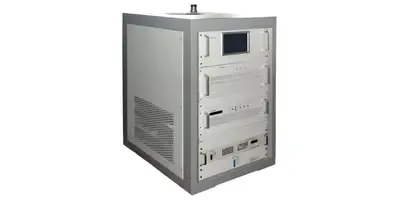
On the transmitter end of a DVB-T service, the FUQ8323 DVB-T transmitter works a single channel across 470 to 806 MHz — the UHF range the antennas above are cut for.
AM / Shortwave Antennas
- Vertical tower (monopole) — standard AM broadcast radiator
- Tuning unit (ATU) — matches transmitter impedance to the tower
- Curtain arrays — high-gain shortwave arrays for international service
- Biconical — broadband, up to 50kW input
Gain, Polarization and Pattern
- Gain (dBd/dBi): higher gain concentrates the signal toward the horizon — good for coverage distance
- Polarization: FM radio is usually circular or horizontal; TV often horizontal; AM is vertical
- Radiation pattern: omnidirectional covers all directions; directional focuses on a service area
Matching the Antenna to Your Setup
1. Frequency: the antenna must be cut for your exact channel/frequency
2. Power rating: must exceed your transmitter power (safety margin recommended)
3. Impedance: standard is 50Ω — use an ATU if the match is poor
4. Feeder cable: low-loss coax or rigid line for long runs
5. Height: the single biggest coverage factor after power
The transmitter side of the same calculation is set out on the DVB-T and FM broadcast transmitter pages, where each model publishes its frequency range and output power.
Matching the antenna to the transmitter is the other half of the calculation: the power classes are compared in the FM transmitter power guide, the station budget in the small FM station budget guide, and the television equivalent of the same choice in the DVB-T transmitter guide.
Practical Checklist Before Buying
- [ ] Frequency band and exact frequency
- [ ] Transmitter power (kW rating)
- [ ] Coverage pattern needed (omni vs directional)
- [ ] Antenna mounting (tower type, wind load)
- [ ] Connector type and feeder cable length
- [ ] Polarization requirement
Bottom line: buy the antenna *after* you know your frequency, power and coverage pattern. A matched antenna system delivers dramatically better coverage than a more powerful transmitter with the wrong antenna.
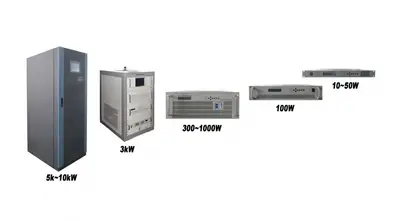
The chassis that feed that radiator are grouped on the transmitter range page, where the FM and DVB-T models sit together with their published output classes.
Frequently Asked Questions
Which antenna do I need for FM broadcast?
A single dipole for low power, a multi-bay dipole (2, 4, 6 or 8 bay) when you need gain, a panel antenna for a directional pattern, and a circularly polarised type when vehicle reception matters. Each time the bay count doubles you add roughly 3 dB, which is about 40% more effective radiated power.
Which band am I actually building for?
FM radio sits at 87-108 MHz, VHF television in Band III at 167-223 MHz, and UHF television at 470-862 MHz, which is also where DVB-T lives. The antenna is cut for the exact channel or frequency, so the band and the channel number are the first two things to confirm before ordering.
What impedance and feeder should I use?
Broadcast equipment is standardised on 50 ohm. Use low-loss coax or rigid line for long runs, keep the connector count down, and fit an ATU if the match to the transmitter is poor. Wind load, tower type and mounting hardware are checked at the same time as the electrical specification.
What transmitter feeds the antenna?
For FM, the FUQ-72XX Series FM stereo transmitter adjusts from 10 W to 10 kW and the 1x RF output FPGA digital variant is the single-output build of the same series. For DVB-T, the FUQ8323 works a single channel across 470 to 806 MHz, which is the UHF range a television antenna is cut for.
What should I decide before buying an antenna?
Frequency band and exact channel, transmitter power rating, coverage pattern, mounting and wind load, connector type and feeder length, and the polarisation the service uses. Buy the antenna after those six are fixed: a matched antenna system beats a more powerful transmitter feeding the wrong radiator.
Previous
FM Transmitters Explained: 50W vs 5KW, What to Buy
Next
IPTV Headend Equipment: Encoders, Gateways, STBs
Talk to the headend engineers before you specify
Send the model number you are looking at — or the channel count and the input and output formats you work with — and we answer with the datasheet, the configuration and a written price. The reply comes from the headend team in Guangzhou, not a sales line.