How to Build a Small FM Radio Station (Budget Guide)
A step-by-step plan for launching a low-power FM station: licensing, transmitter, antenna, studio gear, streaming and total costs for a realistic budget. Each model named in this article is one of 190 in the Hanxing catalogue, published with its own specifications and datasheet.
Hanxing Team
Broadcast & IPTV Experts
The path this guide walks
- Studio audiomixer and sources
- FM transmitterpower by licence and coverage
- Antenna and feedermatched to the transmitter
- Coveragethe area you are licensed for
Start a Small FM Station: The Realistic Path
Launching a low-power FM radio station is more achievable than most people think — and cheaper than ever with modern solid-state transmitters. Here is the full picture.
Step 1: Licensing & Legal Basics
Before buying anything, check your country's regulator:
- Low-power license — many countries offer simplified licenses for <100W stations
- Frequency coordination — your frequency must not interfere with existing stations
- Part 15 / exempt class — in some regions, very low power (0.5–10W) needs no license
Rule: understand licensing *before* you spend money on equipment.
Step 2: The Studio
A basic broadcast studio needs:
| Gear | Budget option | Notes |
|---|---|---|
| Computer | Existing PC | Runs automation software |
| Automation software | RadioDJ / ZaraRadio (free) | Music scheduling, jingles |
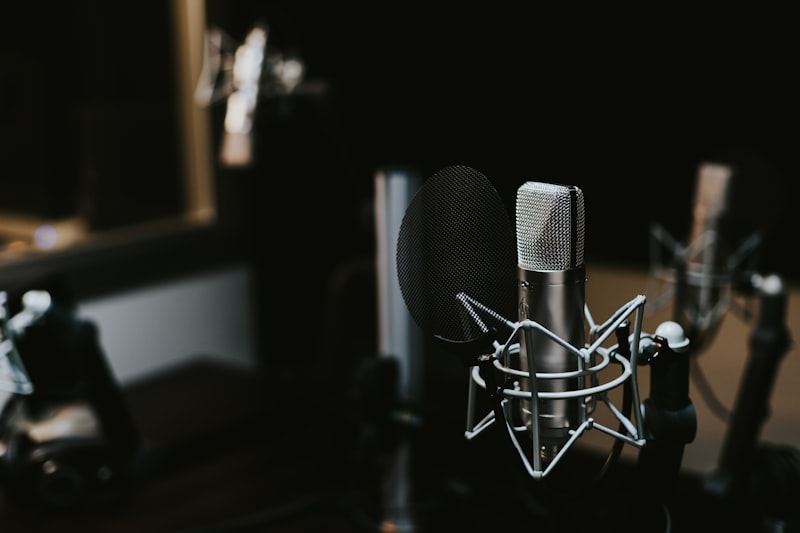
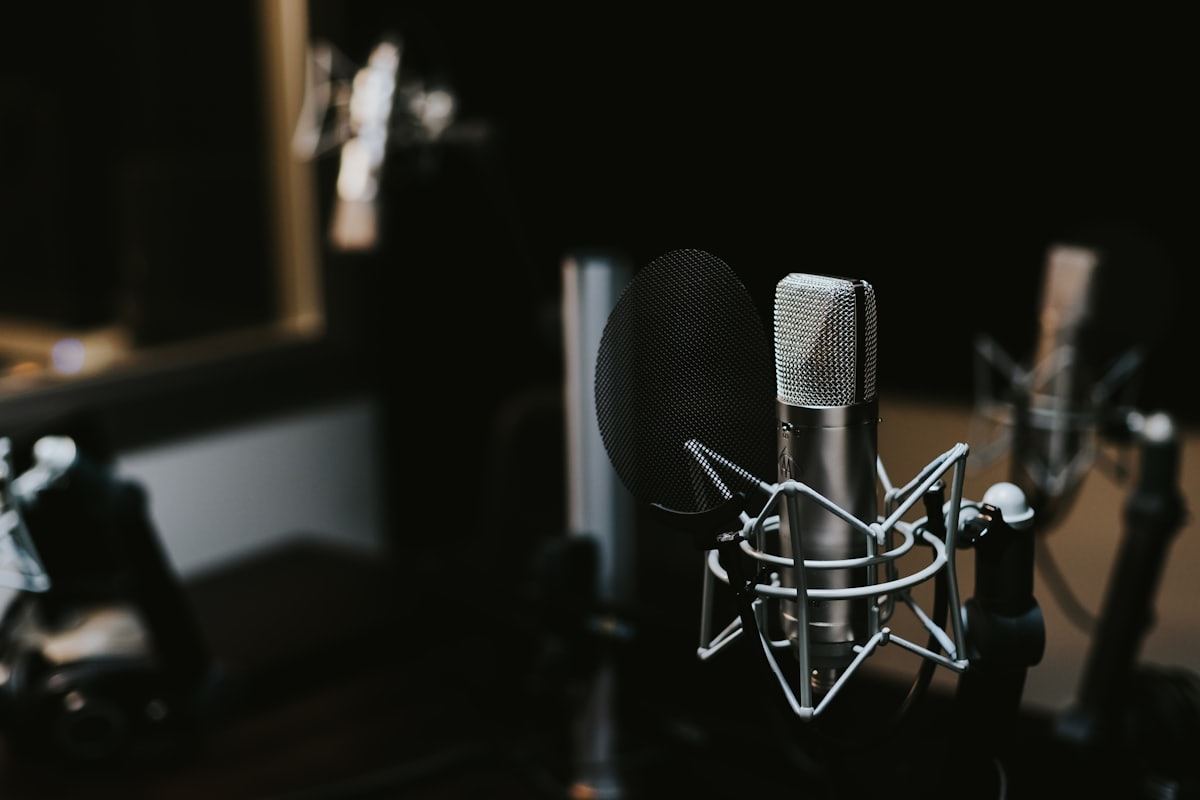
| Microphone | $50–150 condenser | With pop filter and boom arm |
| Audio interface | $100–300 | 2-in/2-out USB |
| Headphones | $50–150 | Closed-back for monitoring |
| Console (optional) | $300–1,000 | For live talk shows |
Studio total: $500–2,000 (a fully equipped room)
Step 3: The Transmitter
The heart of your station. Match power to your license and coverage goal:
| Our published FM range | Adjustable output | Published rows |
|---|---|---|
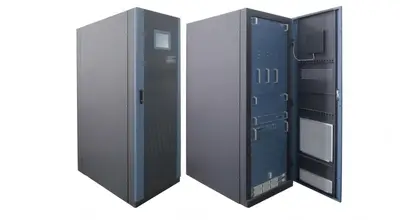
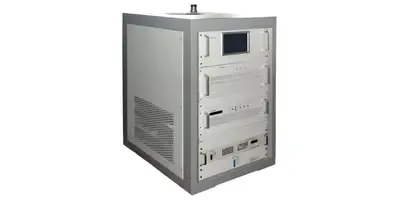
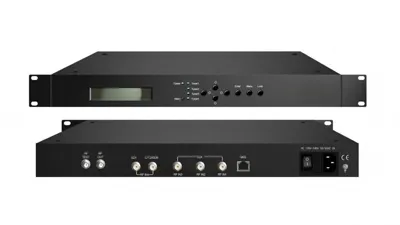
| FUQ-72XX Series FM stereo transmitter | 10 W – 10 kW | FPGA signal processing and LDMOS amplification, ±0.1dB AGC stability, dual-transmitter redundancy with coaxial switching, 4U rack-mount |
| FUQ-72XX Series, 1x RF output | 10 W – 10 kW | FPGA digital modulation with DAC, ≤0.2% distortion, air cooling, rack-mountable |
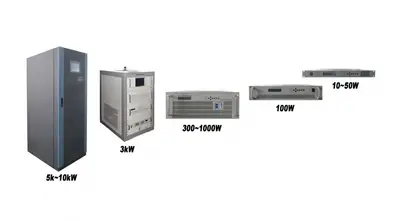
One chassis covers the whole low-power class and the mid-power class, because the published output is adjustable from 10 W to 10 kW. Coverage follows antenna height, gain and terrain more than it follows one power step, so the model is chosen from the site: send the coverage radius you need and we size the transmitter for it. Our own equipment is quoted per project rather than listed — the ordering rules are on the quotation FAQ.
Features to insist on: RDS encoder, remote web control, harmonic filter (for license compliance), 50Ω output.
The transmitter range we build is documented the same way: the DVB-T and FM broadcast transmitter line lists the frequency band and output power of every unit, from the FUQ-72XX Series FM stereo broadcast transmitter with 10 W to 10 kW of adjustable output to the 1x RF output FPGA digital variant.

Step 4: Antenna & Feeder
The antenna is 50% of your coverage:
- Dipole antenna — simplest, good for low power
- Multi-bay antenna — for higher gain and better range
- Ground plane (GP) antenna — omnidirectional, easy install
Don't forget:
- Low-loss coax cable (RG213 or LMR-400 for longer runs)
- Lightning protection and grounding
- Mast or tower (20–50 m dramatically improves range)
Antenna + feeder + mast: $300–2,000
Step 5: STL / Streaming Link
If the studio is away from the transmitter site, you need a link:
- STL over IP — stream audio over the internet (cheapest)
- Wireless STL — dedicated microwave link (5.8 GHz)
- FM to FM rebroadcast — relay another station's signal
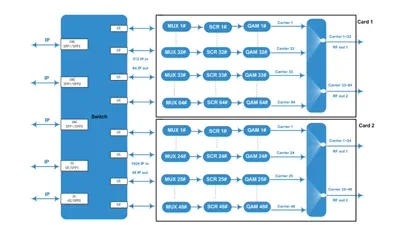
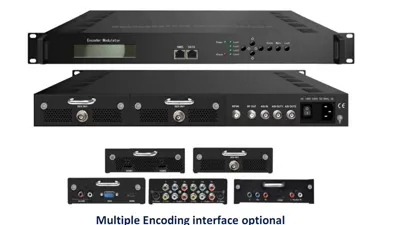
Relaying another service needs a receive chain as well as a transmit chain: the FUQ4349S 8-channel FM receiver compresses 8 FM inputs into an MPEG-1 Layer 2 transport stream for the rebroadcast path.
STL budget: $200–1,500
Total Budget Summary
| Item | Budget | Comfortable |
|---|---|---|
| Studio | $500 | $1,500 |
| Transmitter | $400 | $1,000 |
| Antenna + feeder | $300 | $1,200 |
| STL link | $200 | $800 |
| Installation & misc | $300 | $1,000 |
| Total | ~$1,700 | ~$5,500 |
*Those totals are market indications for the third-party items in the list — studio gear, antennas, feeder cable, installation. The transmitter and the headend equipment we build are quoted per project, not listed.*
*That is everything you need to be on air — for less than the price of a used car.*
Two of those steps have a guide of their own: the transmitter power classes are compared in the FM transmitter power guide and the antenna and feeder in the broadcast antenna guide.
Going On Air: Launch Checklist
1. ✅ License approved (or confirmed exempt)
2. ✅ Frequency checked for interference
3. ✅ Transmitter tested with dummy load first
4. ✅ SWR tuned below 1.5:1
5. ✅ Audio processing (compressor/limiter) configured
6. ✅ RDS shows your station name
7. ✅ Backup: automation software runs 24/7
8. ✅ Logging system (required in many countries)
Bottom line: a small FM station is achievable for $2,000–5,500. Spend the most on the antenna system and audio processing — they determine the professional sound that keeps listeners coming back.
Where the station carries a television channel as well, the television side of the same decision is covered in the DVB-T transmitter guide, and every radio chassis is listed on the transmitter range page.
Frequently Asked Questions
What does it cost to build a small FM radio station?
The build in this guide is planned around market estimates of roughly $1,700 for the lean version and $5,500 for a comfortable one, covering the studio, the antenna, the feeder and the installation. The transmitter is quoted per project rather than listed: send the coverage radius and the site and we size the model, because the configuration is the price.
What transmitter power does a small FM station need?
It follows the licence and the coverage goal, not a fixed number. Our published FM range, the FUQ-72XX Series, adjusts from 10 W to 10 kW, so one chassis covers the low-power class used by campus and community stations and the mid-power class a licensed local station needs. Coverage is then set by antenna height, gain and terrain.
Do I need a licence to start a small FM station?
In most countries yes, and the class decides the equipment. Several regulators offer a simplified licence below 100 W, and some exempt very low power (0.5-10 W) entirely; frequency coordination applies either way. Check the regulator before buying anything, because the licensed power and frequency are what the transmitter and the antenna are ordered against.
What antenna and feeder should I use?
A single dipole suits low power, a multi-bay dipole adds roughly 3 dB each time the bay count doubles, and a ground-plane antenna gives an omnidirectional pattern for an easy install. Use low-loss coax (RG213 or LMR-400 on longer runs), add lightning protection and grounding, and mount as high as the structure allows: height moves coverage more than one power step does.
How do I get the studio signal to the transmitter site?
Three routes: an STL over IP, a dedicated 5.8 GHz wireless link, or an FM-to-FM rebroadcast. A rebroadcast needs a receive chain as well as a transmit chain, and our FUQ4349S 8-channel FM receiver is published for that leg - 8 FM inputs into one MPEG-1 Layer 2 transport stream.
Talk to the headend engineers before you specify
Send the model number you are looking at — or the channel count and the input and output formats you work with — and we answer with the datasheet, the configuration and a written price. The reply comes from the headend team in Guangzhou, not a sales line.